Precision in the Aches
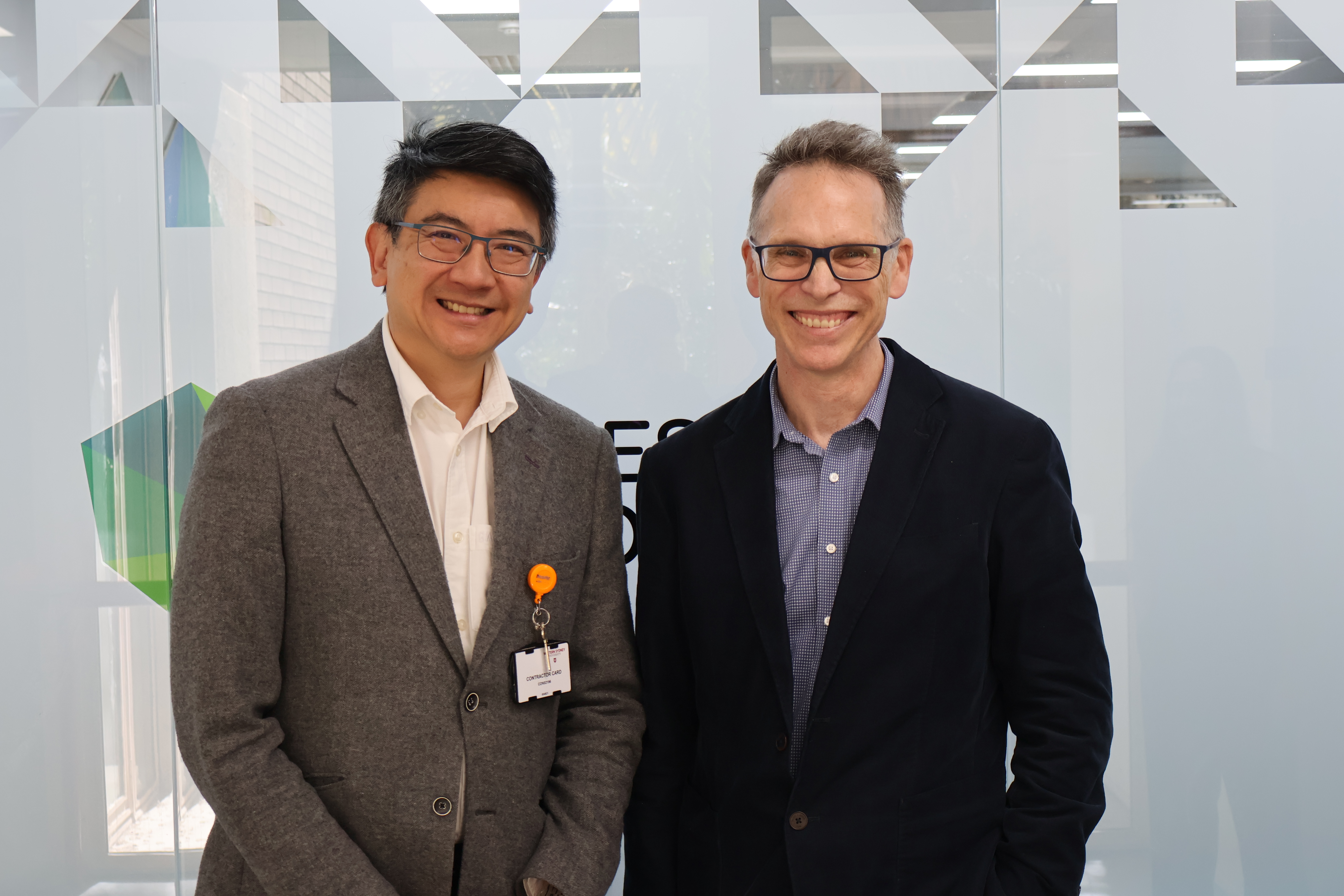
Peter Wong MD and Grant Logan PhD have dedicated years of work and research into improving patient care and the way that their patients can experience the world. Peter has spent his medical career taking care of people with arthritis both psoriatic and rheumatoid. He loves to call himself the “aches and pains doctor”.
Rheumatology is the study of autoimmunology surrounding bones and joints, and Peter is an excellent example of looking at the whole person. The way that Peter has described the treatment of one singular issue as a, “drop in the bucket, it’s all about treating the whole person from mind, body, and emotion”. Dr. Wong started his medical career in Coffs Harbour but found the ability to conduct research was far stronger closer to Sydney.
When examining the whole person Peter looks both at a cellular level and wholly. He looks for genetic traits for treatment and at lifestyle factors. That is where Dr. Grant Logan comes in. Dr. Logan has been studying molecular and cell-based immunotherapies for over 20 years. He got his start from a $100,000 grant from the Rebecca Cooper Foundation. In science and research that amount of money doesn’t go very far, or that is what researchers are taught to believe.
For Grant that $100,000 has carried him and his research community to where they are now. With that money Grant was able to hire one of his, now, closest colleagues for whom he still collaborates on ideas with. The power of that $100,000 has led to tens of thousands of lives being changed for the better. It has served as a stepping stone to the development of diagnostic and translational programs to support emerging gene therapies. Most importantly, that $100,000 has led Dr. Logan here to work on genetic research here at Westmead Hospital.
Today, Dr. Logan and Dr. Wong are working on targeting pharmaceutical therapies to treat their patients. Currently, in Rheumatology, there are around 13 different treatments, but not every person will respond the same. It has become a game of best guess, try for a while, then if it doesn’t work, try again. With this research, they are making progress around their ultimate goal; get the patient treated correctly, the first time. They will look at the DNA and genetic makeup of each of their 6,000 patients and be able to prescribe them medication and treatment that works without the testing and waiting of traditional methods.
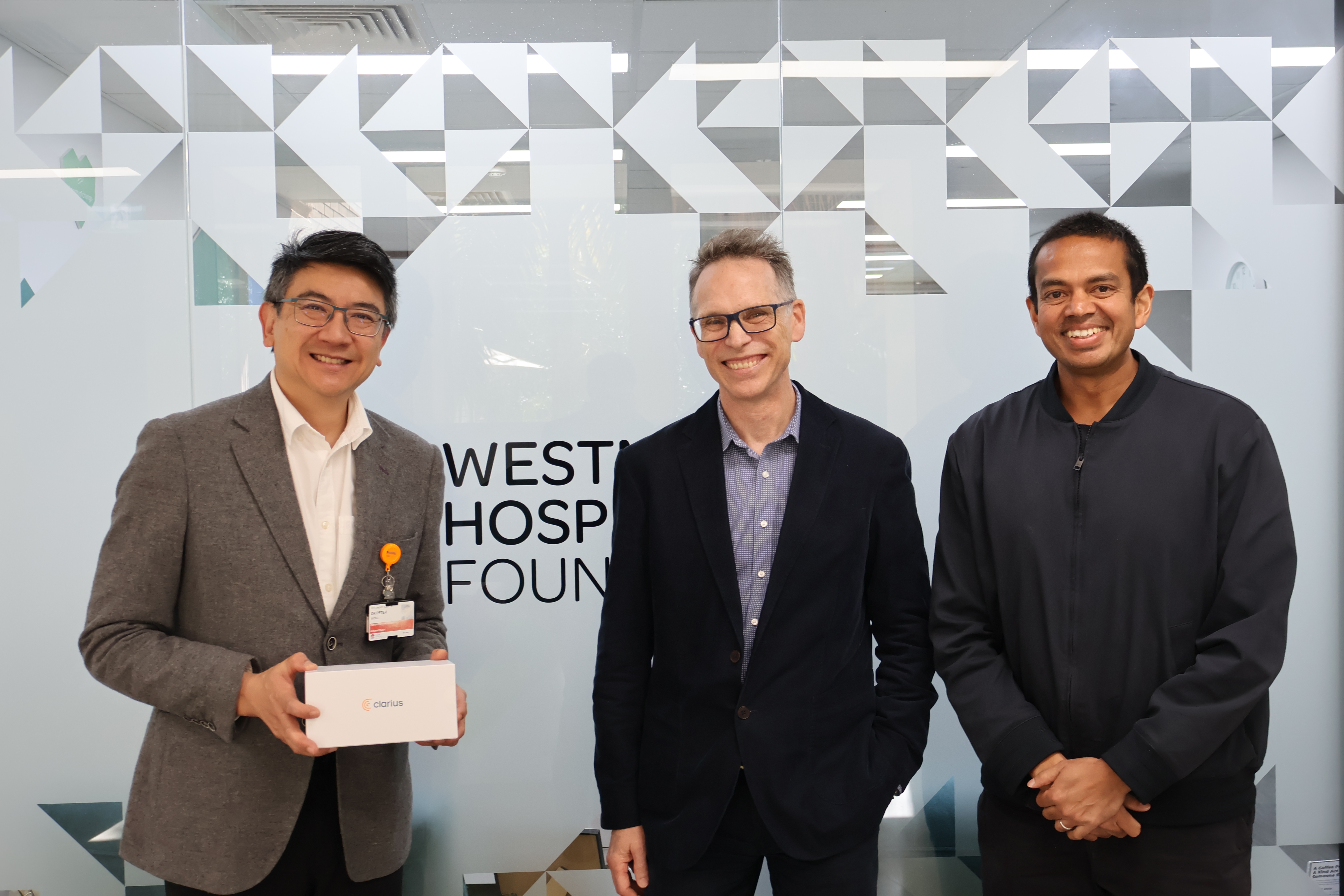
Their work is being conducted in their clinical trials at Westmead Hospital, and their campus research is being conducted in conjunction with the University of Sydney. Most recently, the Westmead Hospital Foundation has purchased a handheld ultrasound that can fit in your pocket to assist in the visualization of bone and tissue structures. To follow along with their work feel free to reach out to info@westmeadhf.org.au.